 Membership
  Buy Tickets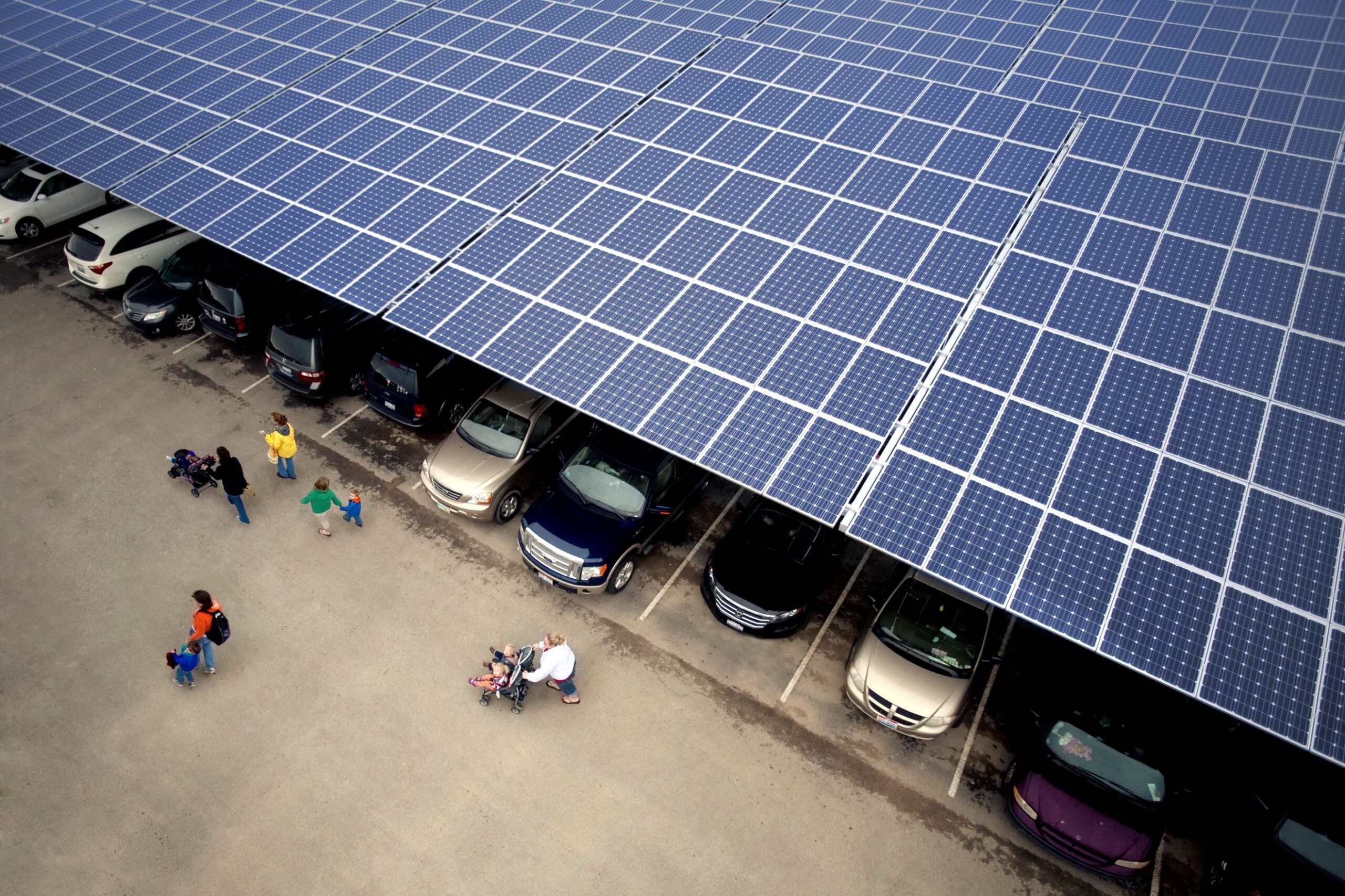
What’s the Greenest Zoo in America® Doing to Combat Climate Change?
The Cincinnati Zoo is working toward increasing our resilience and our regenerative impact in our own backyard, by reducing greenhouse gas emissions and increasing carbon sequestration efforts. See for yourself! Book a green tour.
Renewable Energy
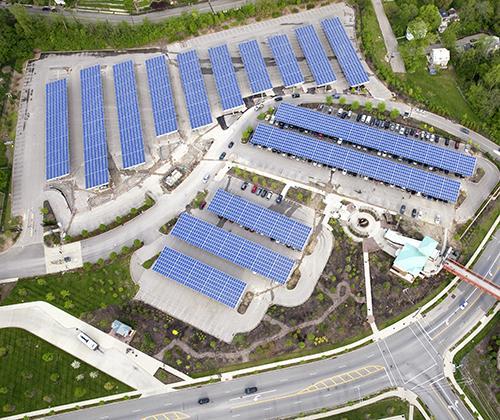
The Zoo aims to generate more renewable electricity for the grid via our own solar arrays. Our on-campus arrays currently meet 65% of our annual electricity needs, and when considering solar on all Zoo owned properties- we are producing 4x more electricity than we use. In the next 5 years we plan to meet 100% of our on-site demand with solar production.
By upgrading equipment and infrastructure, performing audits, building to LEED platinum standards, electrifying our fleet, and installing solar renewable energy systems the Zoo is reducing our need for fossil fuels and generating renewable energy- not just for ourselves, but for our community.
Solar Arrays
- 2.8 MW Euclid parking lot array
- 1.56 MW Vine St. Parking lot array
- 19.3 kW Education rooftop array
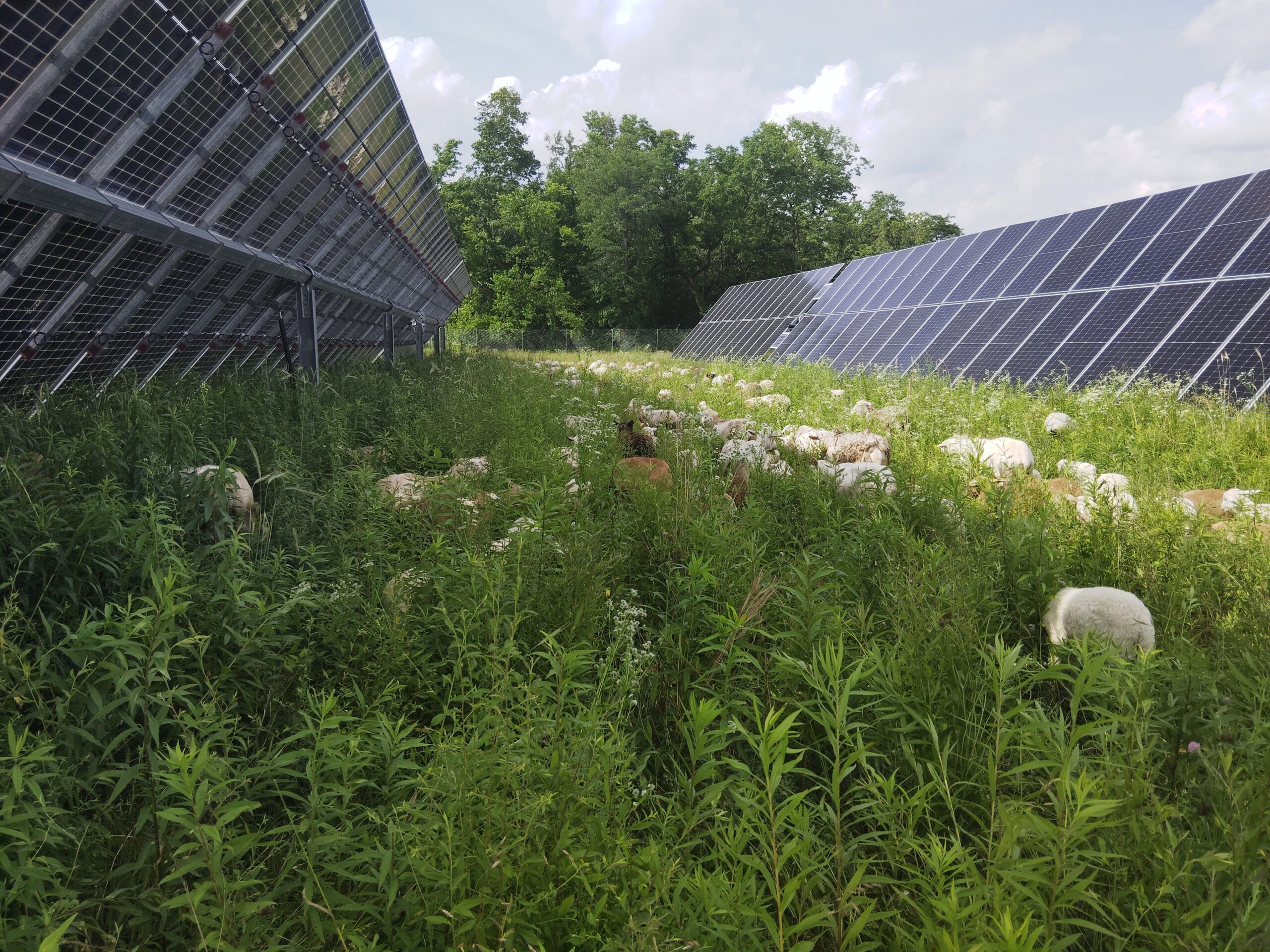
- 30 MW array owned by Harrison Street on our Bowyer Farm property. The Zoo is leasing 145 acres of land for the solar farm (complete with grazing sheep and pollinator-friendly plants to create a healthy agro-solar ecosystem).
- 35 kW Hippo Cove rooftop array
- 33 kW Painted Dog rooftop array
- 165kW Elephant Trek rooftop array
Official Net Zero Energy Sponsor:
Water Reclamation
Greater Cincinnati has the oldest combined sewer system in the country, meaning that during any heavy rain billions of gallons of raw sewage overwhelm pipe capacity. To mitigate the resulting social and ecological issues, Cincinnati Zoo & Botanical Garden collects and reuses every drop of water that falls on our campus. This keeps sewage out of the Ohio River (one of the most polluted major rivers in the US) and out of our neighbor’s basements. Studies have shown that in U.S. urban areas, poor stormwater management affects people of color and of lower socioeconomic levels at a disproportionate rate.
Official Water Sustainability Sponsor:

Zero Waste
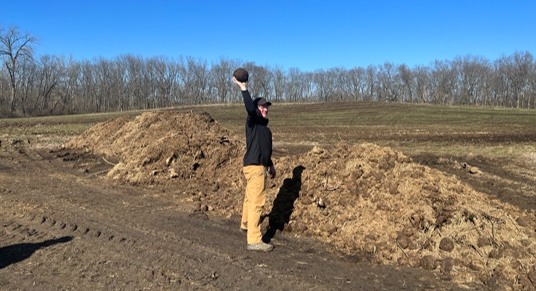
This means at least 90% of the waste generated at the zoo will be diverted from the landfill, via reuse, composting, and recycling efforts.
Zero Waste Events
All ticketed events held at Cincinnati Zoo & Botanical Garden are Zero Waste, made possible by our partnerships with ODRC and Last Mile Food Rescue. Event waste is sent to our partners who hand-sort it into appropriate waste streams, with a compost program on-site, and recycling partners who take and recycle various hard-to-recycle items.
At least 90% of an event’s waste must be diverted from the landfill for it to be considered a Zero Waste Event. To make this happen at the Zoo, all single-use products provided to guests are made of compostable, BPI-certified materials. Products such as plates, silverware, cups, and napkins will all be composted. All standard trash cans throughout the zoo will be used as compost bins for these events, so you will only find compost and recycling available. All waste accumulated will be composted, and all aluminum will be recycled.
Net Zero Waste Partner Sponsored By:
Sustainable Construction
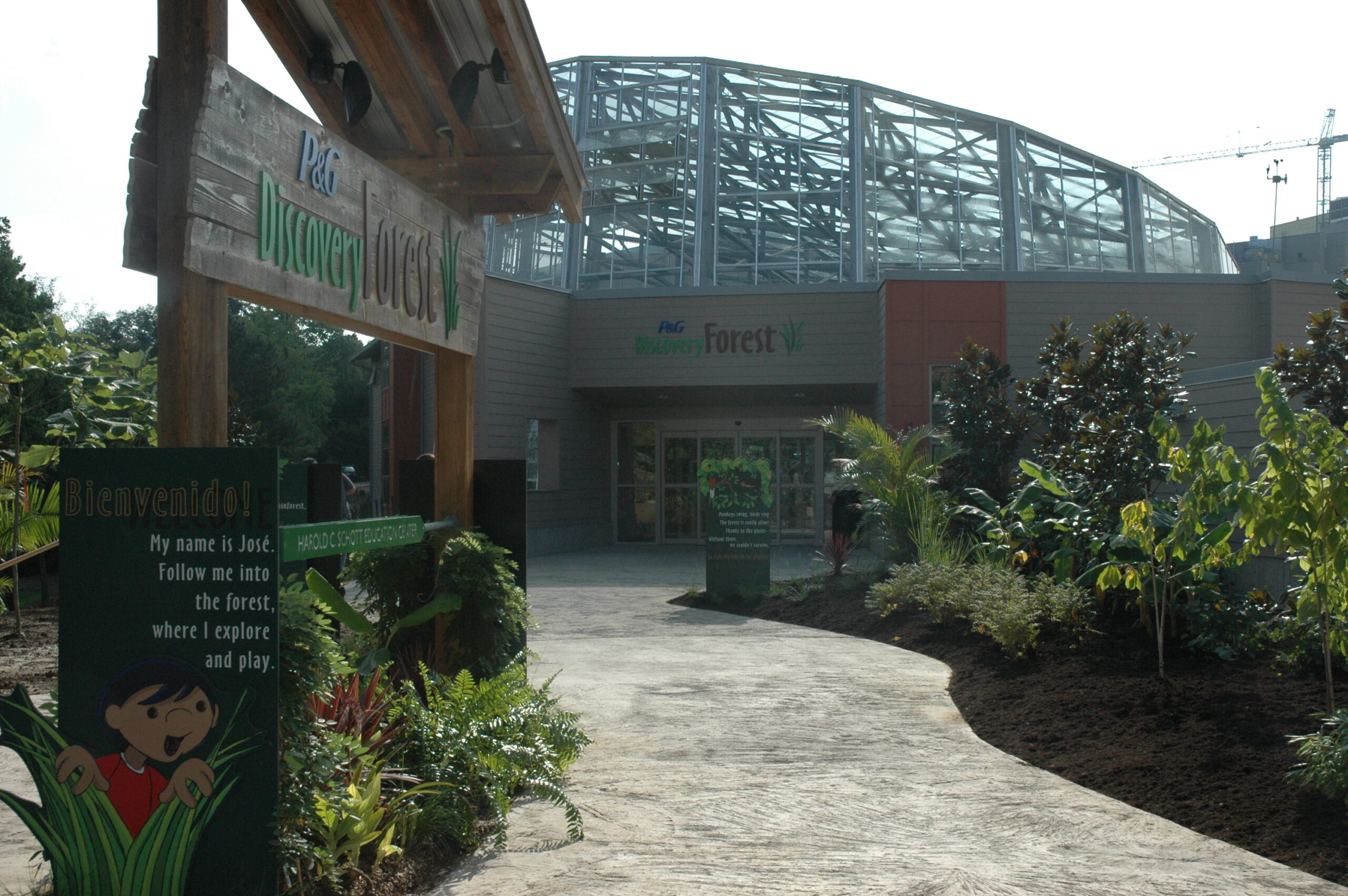
All new construction projects are built to LEED Platinum standards, and Cincinnati Zoo & Botanical Garden has the 1st Living Building Challenge-certified project in State of Ohio and in our industry. Leadership in Environmental Energy and Design (LEED) is a rating system developed by the U.S. Green Building Council and Living Building Challenge (LBC) is an international sustainable building certification, even more rigorous than LEED, developed by the non-profit International Living Future Institute.
Organic Waste
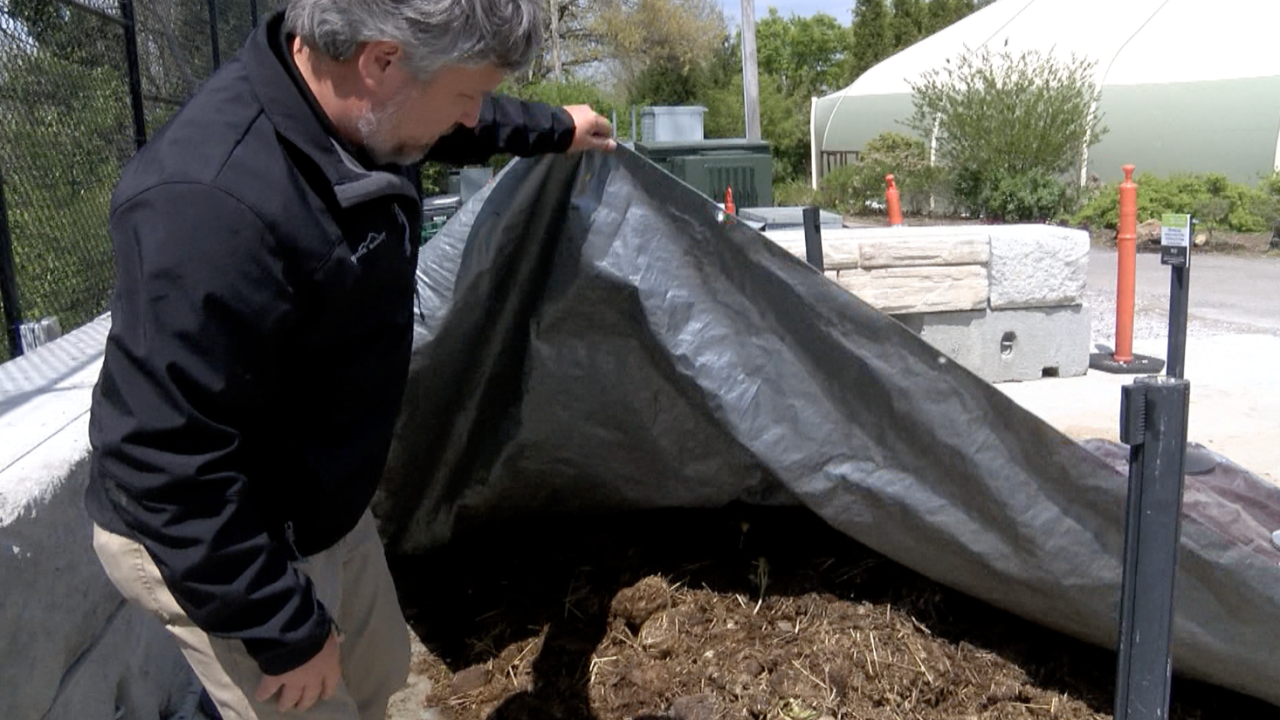
About 80% of Cincinnati Zoo & Botanical Garden’s waste stream is organic waste generated by the animals and our cafes. The Zoo is working with a local farm to pile and compost elephant manure, turning it into a regenerative soil additive.
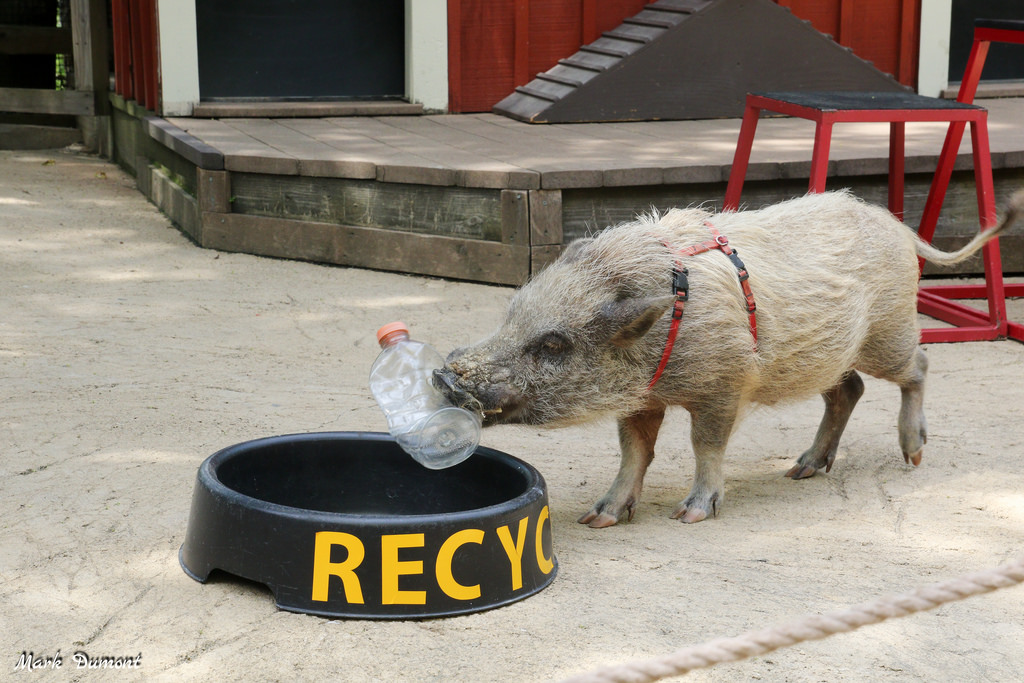
Specialty Recycling Garage
We have dedicated an on-site collection space for items that cannot be sent to Rumpke’s mainstream recycling. Items are collected in this space for both reuse and recycling through our partners at the Cincinnati Recycling and Reuse Hub
Responsible Consumption
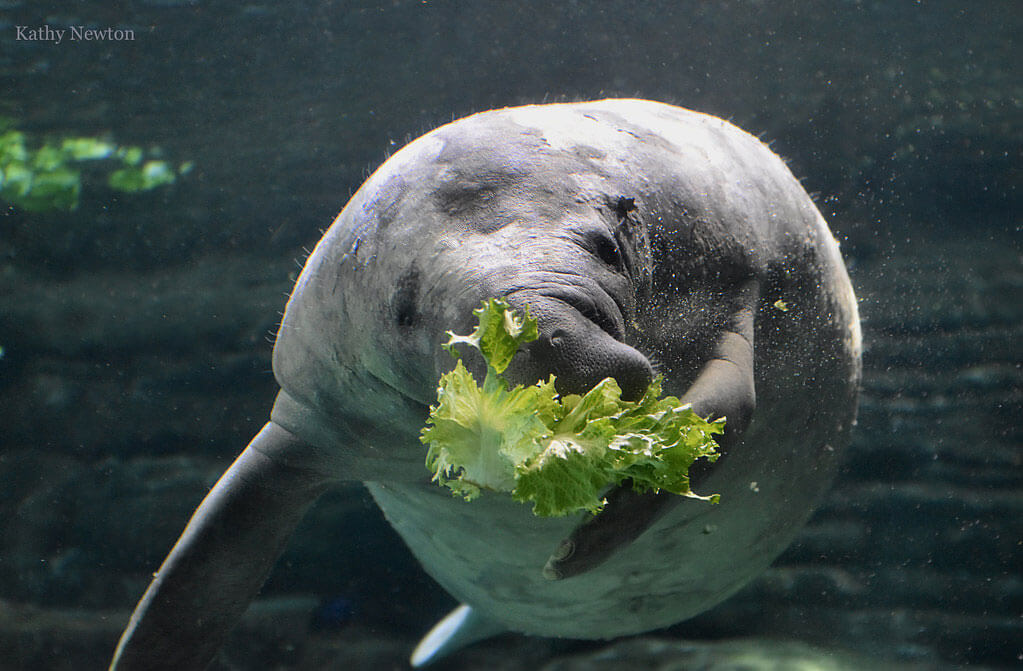
The Zoo is changing what, where, and how we consume to minimize negative environmental impact and increase positive social impact. Cincinnati Zoo & Botanical Garden is committed to sourcing supplies and services locally to invest in our community and better manage our planet’s limited resources. We are working to develop an innovative and resilient food procurement plan, and goals to spend more dollars with minority-owned vendors.
Agrivoltaics
Agrivoltaics is the co-location of agricultural production like crop or livestock production or pollinator habitats underneath or next to solar panels. This setup allows for farmlands to stay farms, while reducing our carbon footprint. The Cincinnati Zoo, in collaboration with local livestock farmers, currently has sheep grazing beneath the 30MW solar array at its off-site farm in Warren County.
Community Solar Resiliency Program
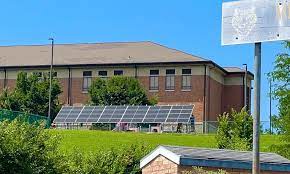
The Cincinnati Zoo & Botanical Garden’s Community Solar Resiliency Program helps local nonprofits, schools, churches, and permanent supportive housing facilities strengthen their energy, climate, and financial resiliency through solar power.
With more than 15 years of experience leading in sustainability, the Zoo provides technical support, funding, and hands-on help to make solar energy more accessible—cutting costs, building local capacity, and expanding sustainability both in our community and around the world
Working with trusted partners like SonLight Power, Melink Solar, and others, the Zoo has already helped install solar arrays at several public schools and community sites through its Community Fund projects. Now, we’re expanding that impact—partnering with our neighbors in Avondale and other historically under-resourced communities disproportionately affected by climate change to share the benefits of clean, reliable energy.
This work is part of the Zoo’s commitment to climate change mitigation and adaptation, and to achieving Net Zero Energy and emissions reduction goals. Instead of purchasing outsourced Renewable Energy Credits (RECs), the Zoo invests directly in projects that deliver real, local impact—like the annual installation of solar arrays on key community buildings through the Community Solar Resiliency Program.